About Hansard

A Legacy of parliamentary Transparency and Integrity

About

The Origins of Hansard

The word “Hansard” comes from Luke Hansard (1752–1828), a printer who first recorded and published debates in the UK Parliament. Today, “Hansard” is widely recognized as the Official Record of Debates — a formal, published transcription of everything said in Parliament.

It is now a statutory requirement in many Commonwealth countries that all parliamentary proceedings be transcribed and published, ensuring transparency, accountability, and public access to the legislative process.

Portrait of Luke Hansard
Historical Evolution

How Hansard Took Root Across the Commonwealth

Parliamentary reporting began to take shape in the 18th & 19th centuries. For many years, debates in the British House of Commons were actively suppressed, and only unofficial accounts circulated among the public. In 1802, William Cobbett began publishing UK parliamentary debates, laying the groundwork for what would become a formalised record.

By 1812, Cobbett sold the rights to Thomas Curson Hansard, son of printer Luke Hansard, & from 1829 the name “Hansard” appeared consistently on the title page. This model of recording & publishing parliamentary debates soon spread across the Commonwealth, becoming the gold standard for legislative transparency & accountability.

London sunset
LEGACY

What Is Hansard Today?

Hansard is more than a historical document — it is a living record of democracy in action. It is not a word-for-word transcript, but a faithful, edited version of proceedings that removes repetition and corrects errors, without losing the intent or meaning of what was said.

Across Parliaments, Hansard stands as a byword for integrity, impartiality, and excellence — capturing not only the words of lawmakers, but the spirit of representative democracy.

Resources

Updates From Across the Continent

Stay informed with the latest updates from CHEA-AR. Our news section keeps you connected with what’s happening in the world of Hansard reporting, from regional developments to training highlights and member achievements.

Develop Capacities of Hansard Officers

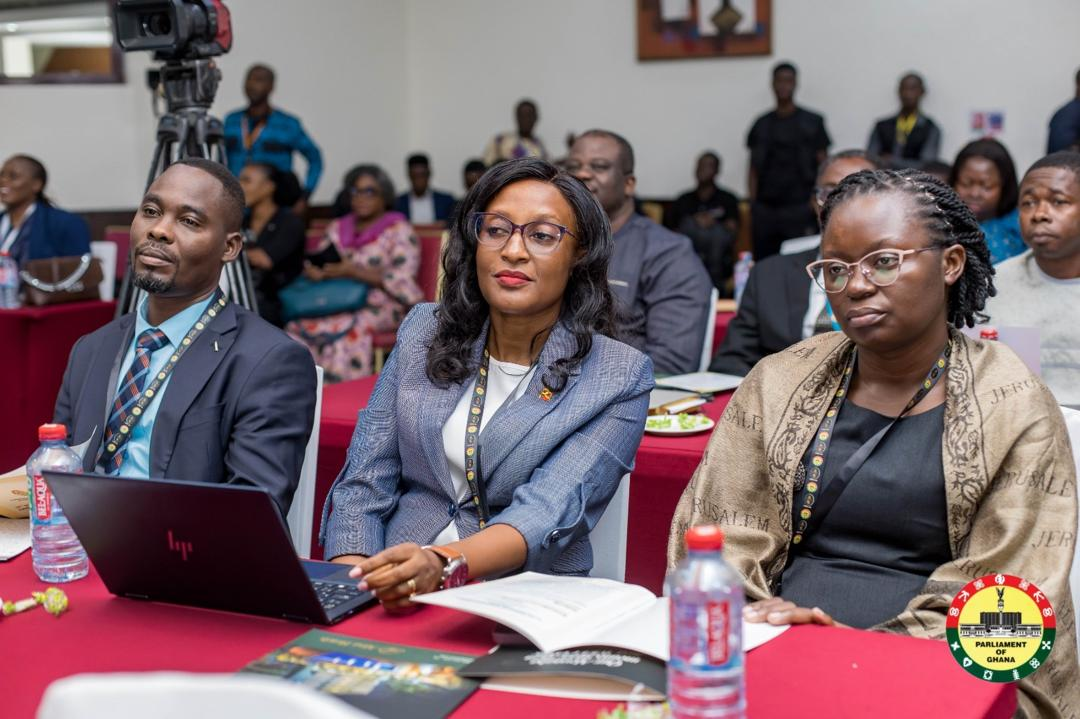
Develop Capacities of Hansard Officers

Access our latest learning materials designed to support ongoing professional development for parliamentary reporters.
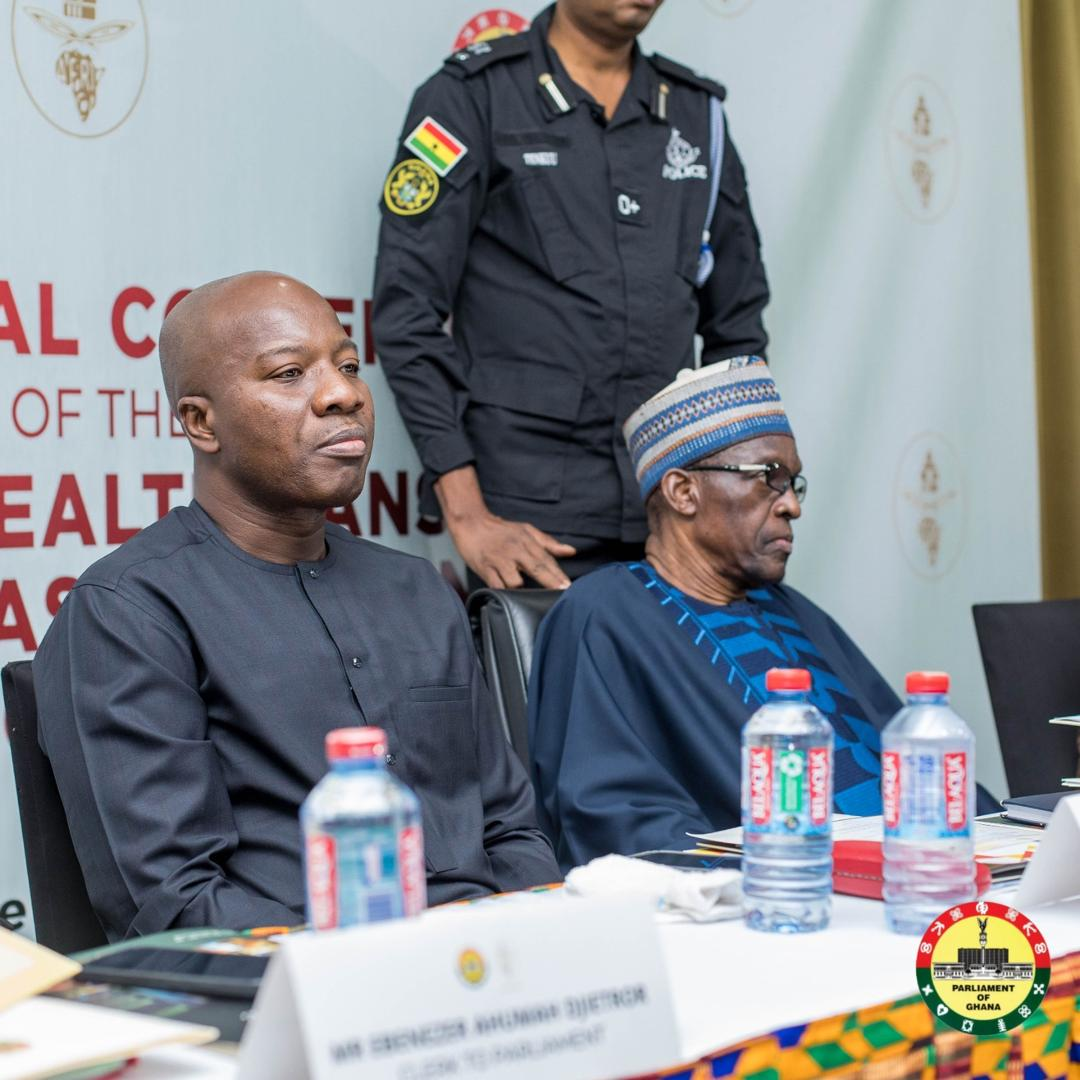
Use Technology To Bridge Gap – Clerk To Parliament

Use Technology To Bridge Gap – Clerk To Parliament

Access our latest learning materials designed to support ongoing professional development for parliamentary reporters.
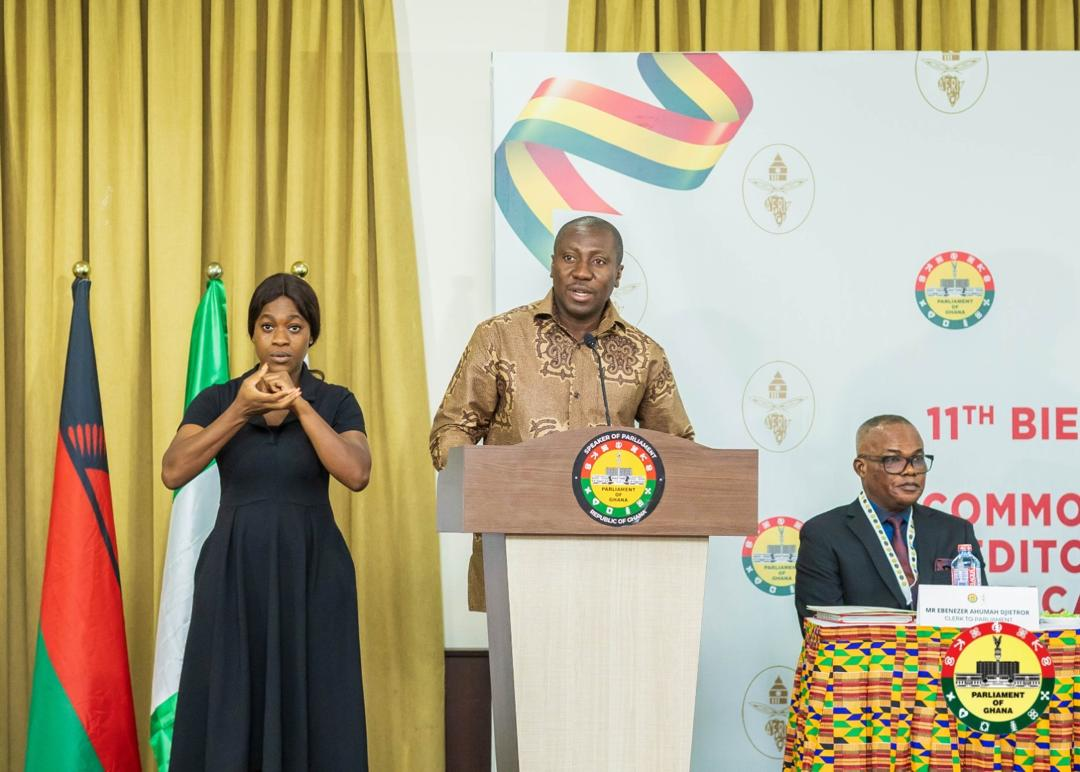
Ayariga, Afenyo-Markin Salute Hansard Editors

Ayariga, Afenyo-Markin Salute Hansard Editors

Access our latest learning materials designed to support ongoing professional development for parliamentary reporters.
Contact

Connect With CHEA-AR

Have questions or want to be a member? Reach out to us. We look forward to hear from you, whether you are a member or you are simply interested in Hansard reporting across Africa.

Ms Hortensiah Nyawira Kamau

Ms. Hortensiah Nyawira Kamau holds a Postgraduate Diploma in Mass Communication from the Kenya Institute of Mass Communication and a BA in Communication from Daystar University, Kenya. With over 20 years’ experience in the Kenyan legislature, she is currently a Principal Hansard Editor in the Senate, having previously served as Senior Hansard Editor, and earlier worked in public relations. She has attended courses in leadership, management, and Hansard production, including Parliamentary Practices and Procedures and the Parliamentary Internship Programme in India. Ms. Kamau also serves as a Trustee of the Parliamentary Service Commission Staff Retirement Benefits Scheme and is a member of its Annual Report Editorial Committee.

Ms Sibongile Khoza

Sibongile Khoza holds an Honours Bachelor of Arts in Translation from the University of South
Africa, as well as a Master’s degree in Translation from the University of the Witwatersrand.
She worked as an interpreter for the Parliament of the Republic of South Africa from 2006 to
November 2011. Since December 2011, she has served as Chief Editor of Hansard in the
Mpumalanga Legislature, while also contributing to terminology projects for the Department of
Sport, Arts and Culture. Sibongile is currently pursuing a PhD in Translation and Interpreting at
the University of the Witwatersrand.

Mr Adam Iddrisu

Adam Iddrisu, Esq. is Vice President of the Commonwealth Hansard Editors Association – Africa Region and President of the Official Reporters and Editors Society, Ghana (ORES–Ghana). He joined the Parliamentary Service of Ghana in 2002, earning a Verbatim Reporters Certificate from the Government Secretarial School, and progressed from Reporter II to his current role as Editor of Debates and Head of the Hansard Office.

He holds a First-Class Honours in Management Studies and an MBA from the University of Cape Coast, an LLB from the University of Ghana, a Higher National Diploma from Tamale Technical University, a Post-Graduate Certificate in Public Administration from GIMPA, a Professional Certificate in Law from the Ghana School of Law, and multiple specialised reporting certifications.

Mr Steve Katawa Banda

Mr Steve Katawa is the President of CHE-AR since 2022. He served as a Principal Editor of
Hansard for Parliament of Malawi, deputising the Chief Editor of Hansard/Head of Hansard
from 2017 to 2021. He is the Chief Editor of Hansard/ Head of Hansard for Parliament of
Malawi From 2021 to date.

Ms Euphraat Hopane

Ms Euphraat Hopane is the Secretary/Treasurer of the Commonwealth Hansard Editors Association – Africa Region since 2017 to date. She joined Parliament of the Republic of South Africa in November 2005 as a Language Practitioner in Hansard reporting. She rose through the ranks from Language Practitioner to Senior Language Practitioner, Control Language Practitioner, and now Unit Manager for Hansard reporting. Ms Hopane holds a BA and BA Hons from the University of Limpopo, Bphil (Hons) from Stellenbosch University, and a Master of Arts in Forensic Linguistics from Pennsylvania Western University. She is also a member of the International Association for Forensic and Legal Linguistics.Get notified about new articles